Oil, Tariffs and Treasury Yields
Market Update: Oil, Tariffs & Treasury Yields
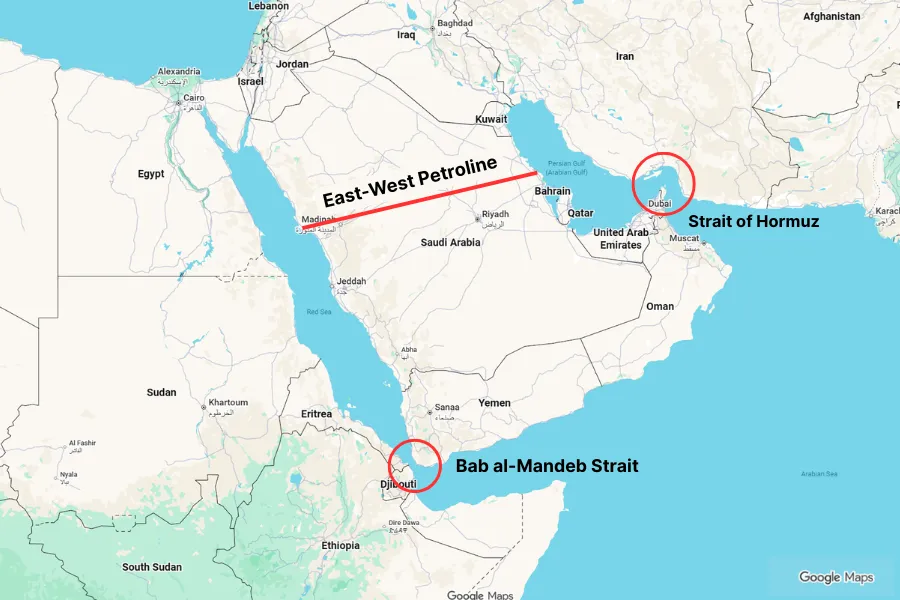
Geopolitical tensions in the Persian Gulf continued to escalate this week, yet oil prices initially remained more stable than many expected. The primary reason is that more oil is leaving the region than previously believed.
U.S. Energy Secretary Chris Wright explained on Sunday that approximately two-thirds of pre-war oil traffic is still making its way out of the Persian Gulf, helping prevent a larger spike in oil prices. According to Wright, roughly 7 million barrels per day are moving through the Strait of Hormuz without transponders, while another 7 million barrels per day are being transported via Saudi Arabia's East-West Pipeline to the Red Sea, where the oil can be shipped to global markets.
That said, the situation remains fluid. Threats of a maritime blockade involving Saudi Arabia, along with attacks on oil tankers, have renewed concerns about potential supply disruptions. As a result, oil prices climbed above $91 per barrel this morning, their highest level since early June.
There was some encouraging news as mediators proposed another ceasefire between the U.S. and Iran in an effort to move toward a memorandum of understanding. Any progress toward de-escalation would likely be welcomed by financial markets.
Interestingly, gasoline prices have not followed the same pattern as crude oil. Based on the recent resilience in oil prices, analysts estimated that gas should be closer to $3.50 per gallon. Instead, prices have climbed back to around $4.00 per gallon, reflecting the geopolitical risk premium currently being priced into energy markets.
On the economic front, announcements of additional tariffs also contributed to bond market weakness this week, as investors worried about the potential for renewed inflationary pressure. While these tariffs are replacing the broader blanket tariffs previously proposed—and therefore are not expected to create significant new inflation—they also eliminate the potential deflationary benefit that could have resulted if tariffs had been removed altogether.
The bond market responded by pushing Treasury yields higher. The 10-year Treasury opened the week at 4.52% and climbed to 4.67% by Friday. Technical analysts continue to identify the 4.70% level as an important area of resistance. We'll continue monitoring the markets closely and keep you informed as these developments unfold.